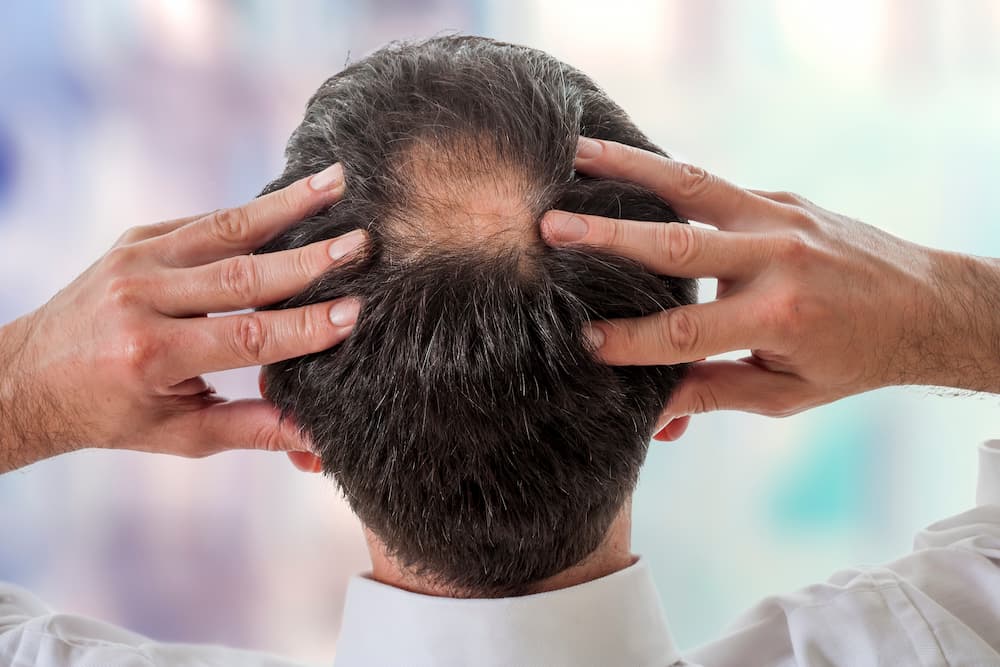
Hair loss can feel like a loss of identity, but the science of restoration has moved far beyond invasive surgeries and synthetic miracle creams. Today, the most effective treatments are within your own skin. While both PRP and PRF are used in regenerative medicine, Moleno Hair Restoration in Dallas, TX, specializes in the PRF slow-release delivery system that provides your scalp with the sustained nourishment required for follicular transformation.
When evaluating PRP vs. PRF for hair loss, it is essential to understand that while both utilize your own blood, PRF is processed to be more biologically active and effective over a longer duration. Understanding these nuances is the first step toward reclaiming your confidence and revitalizing your hair structure.
Key Points:
- The Time-Release Effect: Unlike PRP, which offers an immediate but short-lived burst of nutrients, PRF creates a fibrin matrix that acts as a biological holding tank, releasing growth factors for up to a week after injection.
- 100% Natural & Additive-Free: PRP requires anticoagulants (chemicals) to keep the blood from clotting. PRF is entirely autologous, meaning no additives are used.
- The Stem Cell Advantage: While PRP relies primarily on platelets, the gentle, low-speed centrifugation of PRF preserves vital white blood cells and mesenchymal stem cells. By keeping these cells intact, PRF delivers a richer concentration of healing factors.
- Superior for Advanced Thinning: PRF contains a slow-release mechanism that ensures follicles receive sustained stimulation, providing deep-level regeneration within the scalp.
Key Differences Between PRP and PRF
PRP and PRF appear similar—golden serums derived from a simple blood draw. However, the results lie in how they are processed and how they react once injected into the scalp. When patients compare PRP vs. PRF for hair loss, the main distinction is the presence of a fibrin matrix.
Platelet-rich plasma (PRP) is a concentrated source of autologous platelets found in your own blood. When injected into the scalp, these platelets release growth factors that act as a signal to jump-start cellular repair and hair follicle activity.
Platelet-rich fibrin (PRF) is considered the second generation of platelet concentrates. Unlike PRP, it produces a fibrin matrix, allowing growth factors and stem cells to stay active in the treated area for a significantly longer period, providing a more sustained regenerative effect.
Both treatments involve placing a blood sample into a centrifuge. A centrifuge is a laboratory device that uses rapid spinning to generate high centrifugal force, separating substances in liquid or solid media based on density and size.
- PRP is spun at a high speed. This force separates the blood into distinct layers, allowing practitioners to extract a high concentration of platelets.
- PRF is spun at a much lower speed. This low-stress spinning keeps the fibrin matrix intact and allows white blood cells and mesenchymal stem cells to remain in the mixture.
PRP typically requires an anticoagulant in the test tube to prevent the blood from clotting before injection. PRF is 100% natural; it contains no additives or anticoagulants.
Why PRF Stimulates Better Hair Growth
To reverse hair thinning, follicles need a constant supply of energy. PRF interrupts the hair loss cycle more effectively than PRP through:
- Extended Neovascularization: By staying in the tissue longer, PRF provides a steady signal for the body to build new blood vessels, ensuring a permanent increase in oxygen to the follicle.
- Sustained Anagen (Growth) Phase: The “time-release” effect of PRF keeps follicles in the growth phase longer, leading to visible increases in hair diameter and length.
- Active Cellular Recruitment: The presence of white blood cells in PRF helps clear inflammation in the scalp that often contributes to hair loss, creating a cleaner environment for new growth.
By providing this steady, long-term supply of growth factors, PRF ensures your hair follicles have the consistent fuel they need to develop successful results.
Which Is Better for Hair Restoration?
The PRP vs. PRF for hair loss consideration is not necessarily about which is better, but which is right for your specific stage of hair loss. See below for a specific breakdown:
| Feature | PRP (Platelet-Rich Plasma) | PRF (Platelet-Rich Fibrin) |
| Growth Factor Release |
Immediate burst |
Slow, sustained release |
| Stem Cell Content |
Minimal |
High |
| Additives |
Uses Anticoagulants |
None; 100% Natural |
| Clinical Focus |
General thinning & maintenance |
Advanced thinning and receding lines |
Although PRP has been the industry standard for over a decade and is excellent for patients experiencing the early stages of thinning, PRF is frequently recommended for patients with more significant thinning or those who didn’t see the desired results with standard PRP. The slow-release mechanism of PRF acts like a time-release vitamin for your scalp. When considering PRP vs. PRF for hair loss results, PRF may result in a higher potential for regenerative longevity.
Treatment Frequency and Recovery for PRF
One of the most compelling reasons to choose PRF at Moleno Hair Restoration is the efficiency of the procedure. Due to the serum being more potent, the quality of each session is significantly higher.
- Timeframe: Typically involves 3-4 sessions spaced 4-6 weeks apart.
- Sustainability: Because PRF contains stem cells and a fibrin scaffold, many patients find the results are more durable than traditional PRP.
- Zero Downtime: You can return to your daily routine immediately. You may feel a slight fullness in the scalp, which is the fibrin matrix at work.
Choosing the Right Option for Your Hair Goals
Choosing between PRP vs. PRF for hair loss should be a collaborative decision made with a specialist. During your consultation at Moleno Hair Restoration, we analyze your hair loss pattern and medical history. While PRP marked a significant breakthrough in regenerative medicine, PRF represents an evolution of hair restoration by delivering a superior concentration of platelets and essential stem cells within a 100% natural, additive-free composition.
Regardless of which you choose, the key to success is consistency. Hair restoration relies on the natural biological cycles of your hair follicles, requiring a strategic, long-term commitment to see the full transformative results. It takes time for follicles to repair and for new hair to reach the surface of the skin.
The Path to Restoration Starts Here
When deciding on PRP vs. PRF for hair loss, the goal remains the same: thicker, healthier hair. If you’re considering pursuing PRF treatment to stimulate natural hair growth, the first and most important step is choosing to invest in yourself. Hair restoration is more than just a cosmetic change; it is a commitment to reclaiming your confidence and preserving your natural vitality. Thinning hair does not dictate your story; take control of your growth today and watch your hair reach its full potential. Schedule a consultation at Moleno Hair Restoration in Dallas, TX, and start your journey toward fuller, healthier hair.
Frequently Asked Questions
What’s the difference between PRP vs. PRF for hair loss?
The primary difference is the fibrin matrix. PRP is a liquid that releases growth factors quickly. PRF turns into a gel-like matrix after injection, trapping platelets and stem cells to provide a slow, sustained release of growth factors over several days.
Which one provides better results for thinning hair?
Most clinical evidence suggests that PRF leads to better tissue regeneration and more significant hair density. This is due to the release of growth factors over a period of 7-10 days (compared to the few hours of PRP).
Can I switch between PRP and PRF treatments?
Yes. Many patients may choose to begin with PRP and then transition to PRF if they feel their progress has plateaued, as the PRF protocol is more potent.