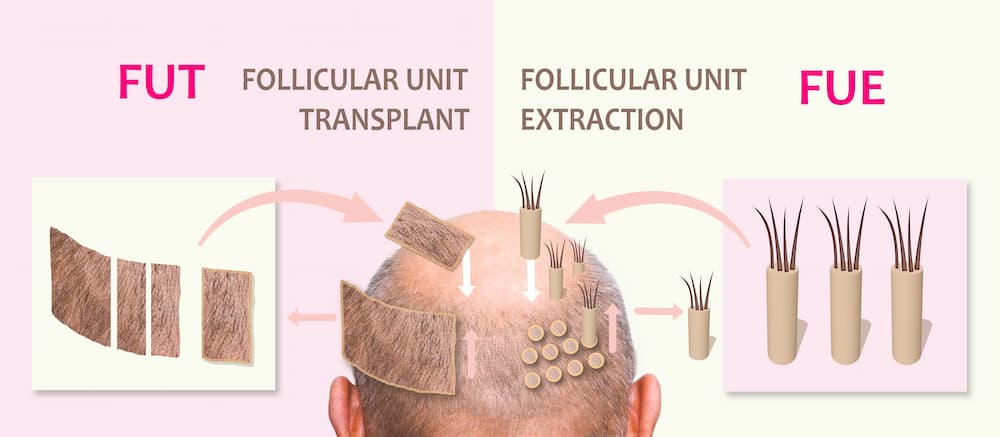
Hair loss affects millions of people, but modern hair restoration offers proven solutions. Two of the most effective treatments are FUE and FUT hair transplant procedures. Both techniques have transformed hair restoration in Dallas and around the world, offering natural-looking results when performed by experienced specialists. Understanding the fundamental differences between FUE vs. FUT hair transplant procedures helps you make an informed decision about your treatment.
Key Points:
- FUE and FUT are the two primary hair transplant methods, each with distinct harvesting techniques and recovery profiles.
- FUE extracts individual follicles with minimal scarring, while FUT removes a strip of scalp for maximum graft yield.
- Recovery time, scarring visibility, and cost differ significantly between the two procedures.
- The best choice depends on your hair loss pattern, lifestyle, budget, and aesthetic goals.
- An ISHRS fellowship-trained specialist can help determine which method will deliver optimal results for your situation.
Overview of Hair Transplant Techniques
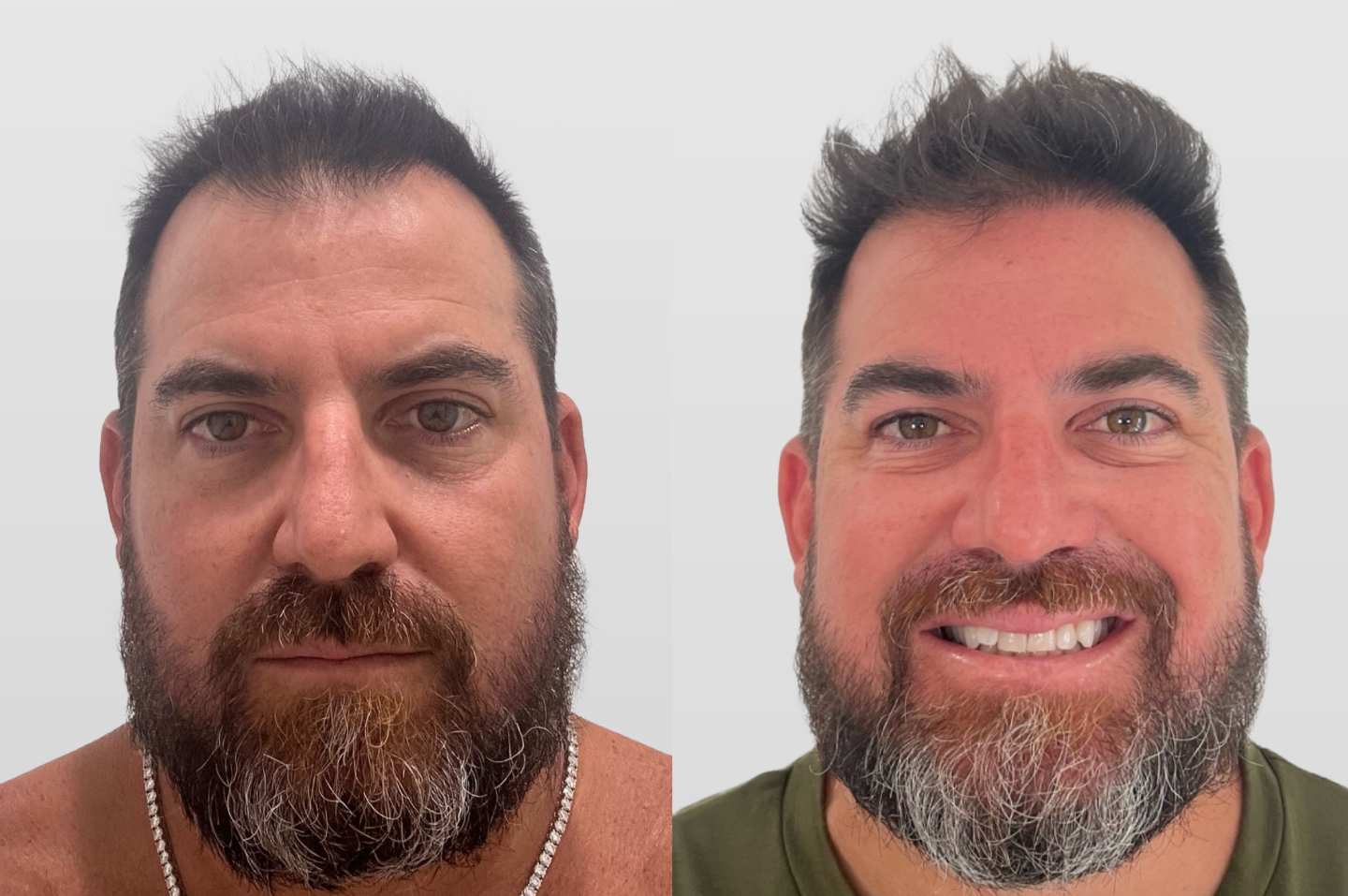
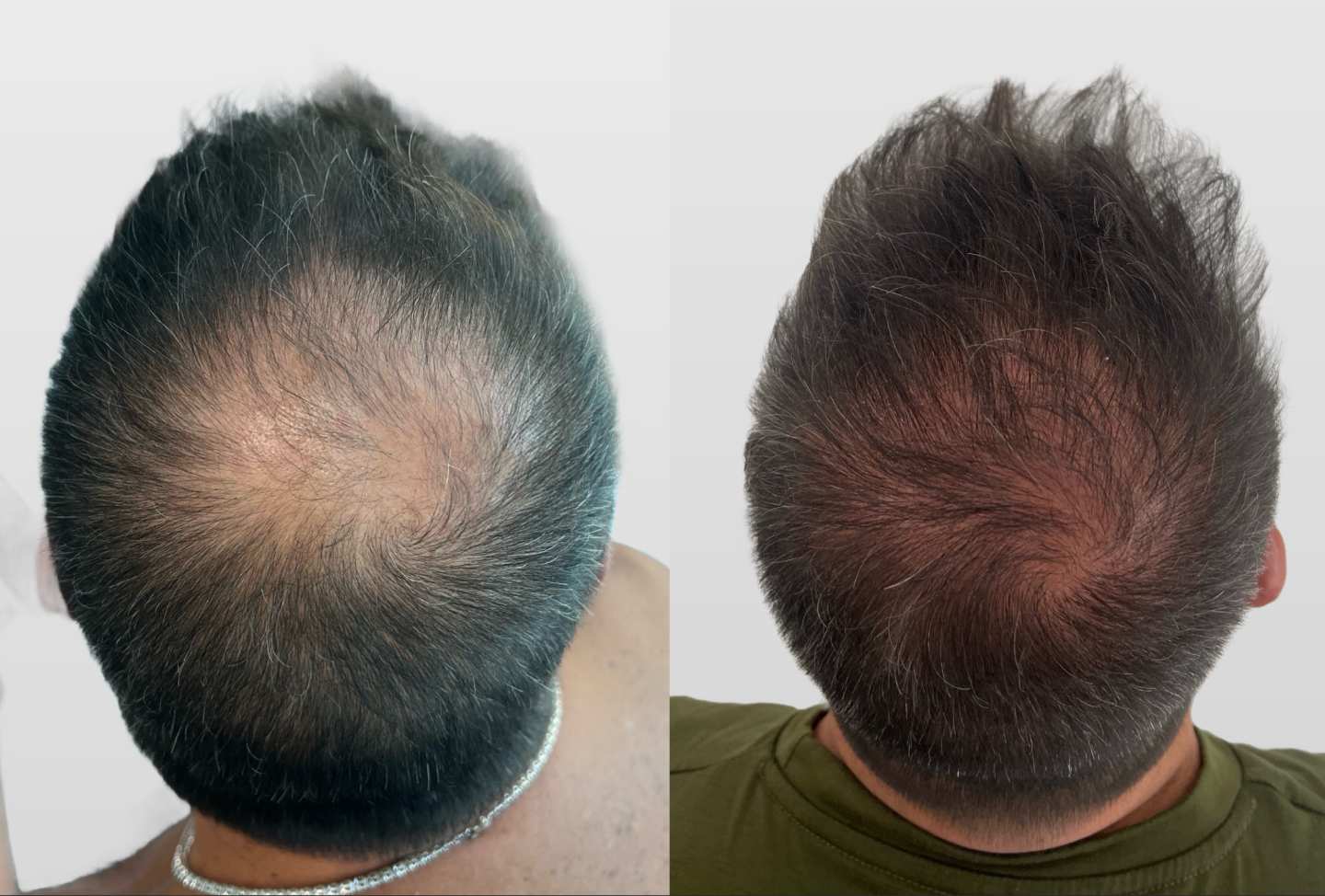
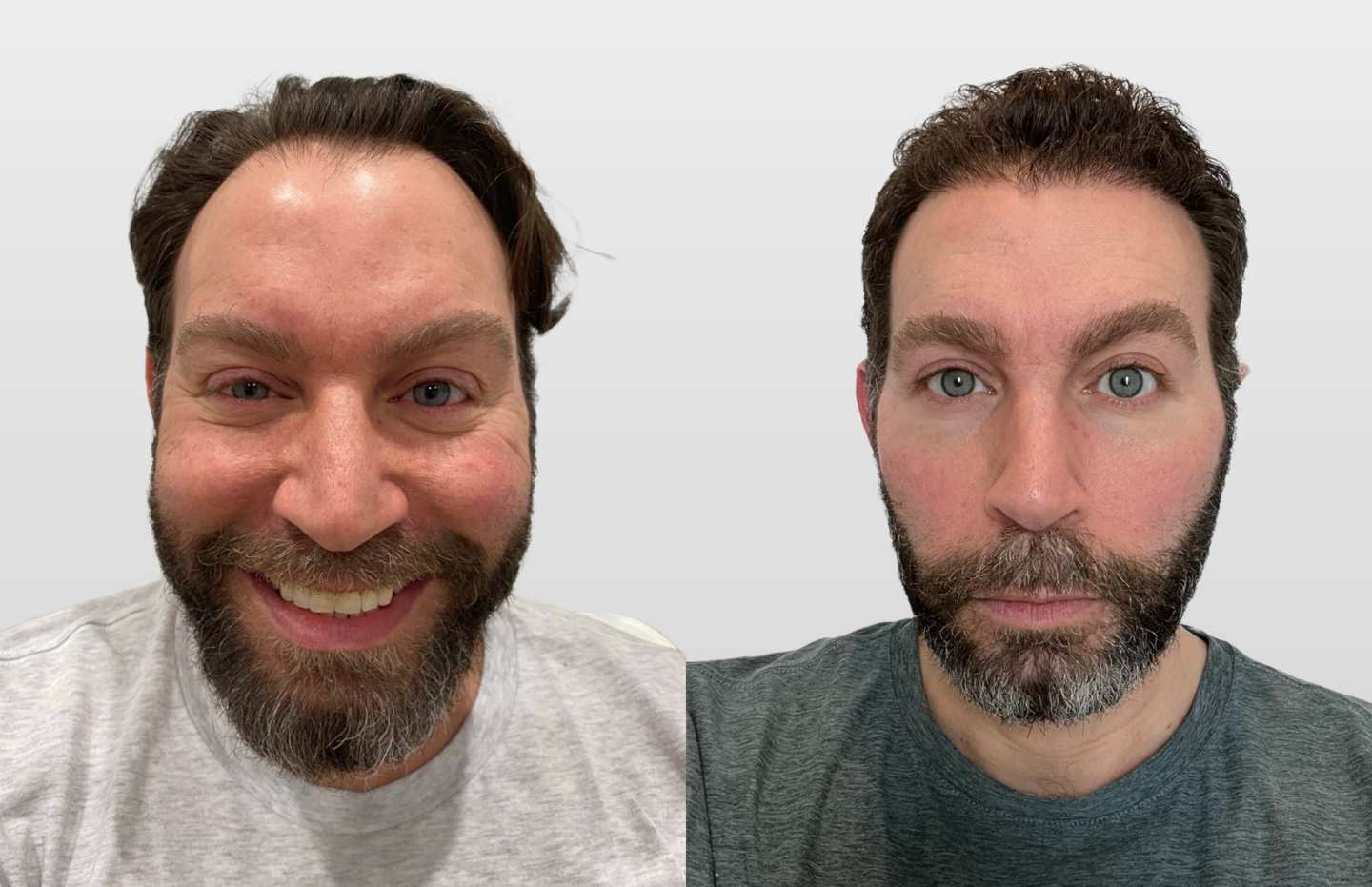
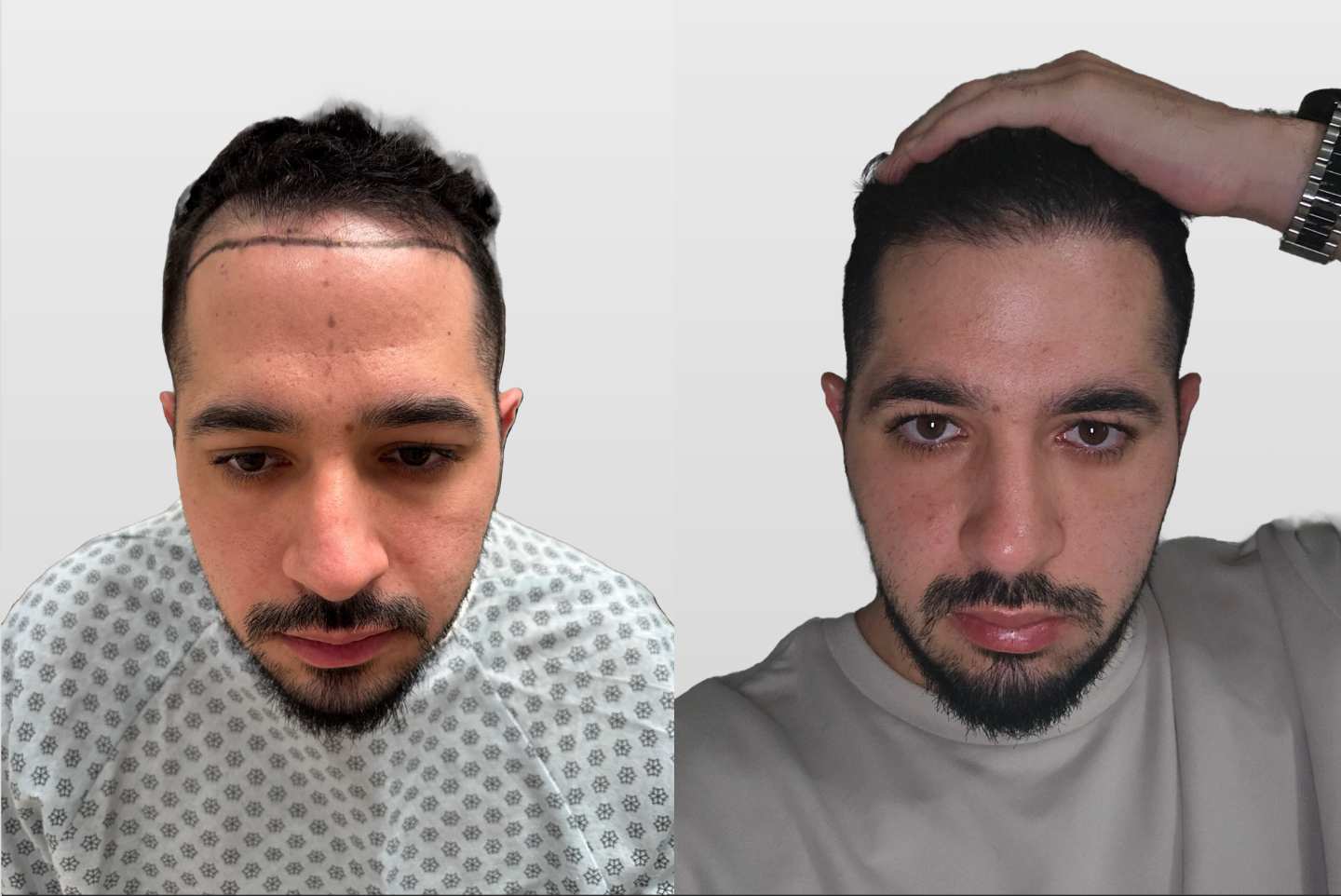
When considering surgical hair restoration, there are two main approaches that stand out for their effectiveness and long-term results. FUE involves individually extracting and transplanting hair follicles, leaving minimal scarring, while FUT removes a small strip of scalp to harvest multiple follicles at once. Both approaches restore natural growth, but the right choice depends on your hair goals, lifestyle, and preferences.
At Moleno Hair Restoration in Dallas, TX, Dr. Moleno leverages his ISHRS fellowship training and commitment to patient confidence to guide you through each decision. Whether you’re exploring options for the first time or seeking advanced treatment, knowing the distinctions between FUE and FUT empowers you to choose the right path forward.
What Is an FUE Hair Transplant?
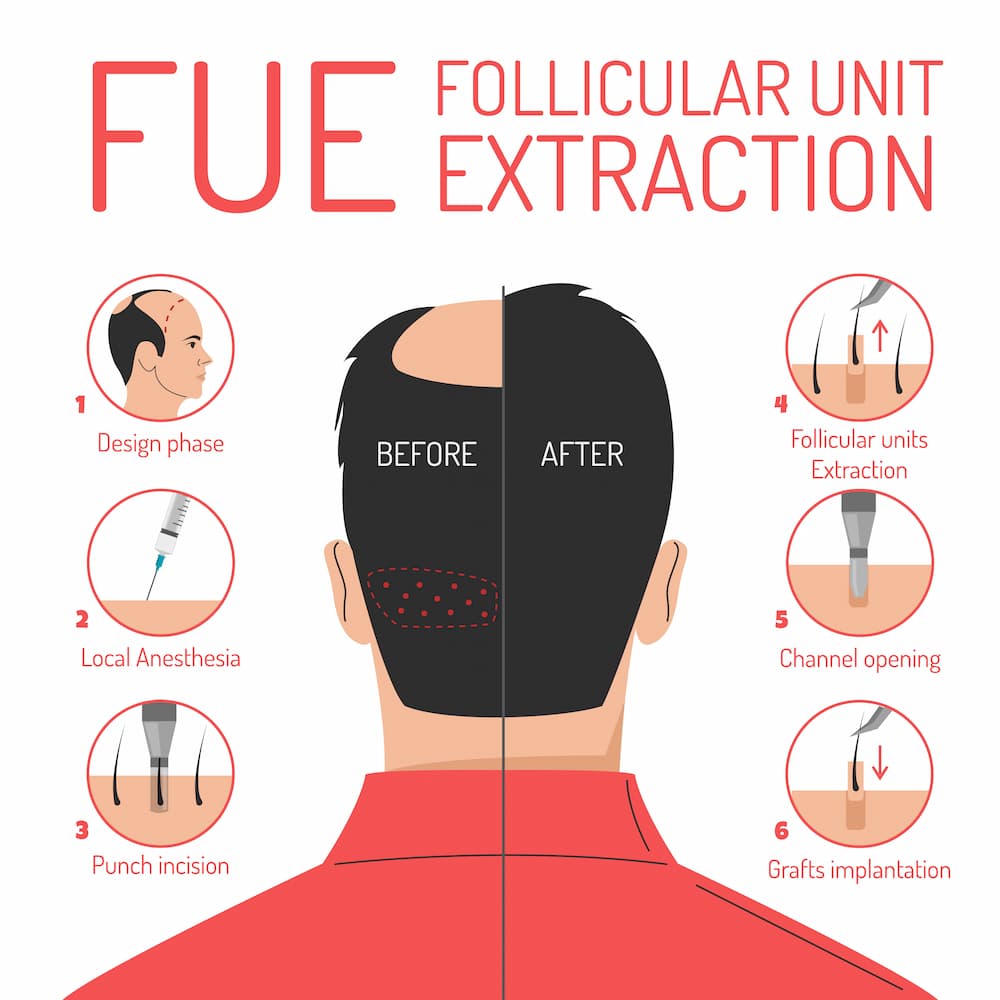
Follicular Unit Extraction (FUE) involves the extraction of individual hair follicles one by one from the donor area, typically the back and sides of the scalp. Using specialized micro-punch tools, each follicular unit is carefully harvested from the donor area and then transplanted into thinning or balding areas.
The procedure is minimally invasive with no visible scarring, allowing patients to wear shorter hairstyles with confidence. Recovery from FUE generally involves less discomfort compared to FUT techniques. Most patients from our Dallas clinic return to normal activities within a few days, though complete healing of the extraction sites takes about 2 weeks.
What Is an FUT Hair Transplant?
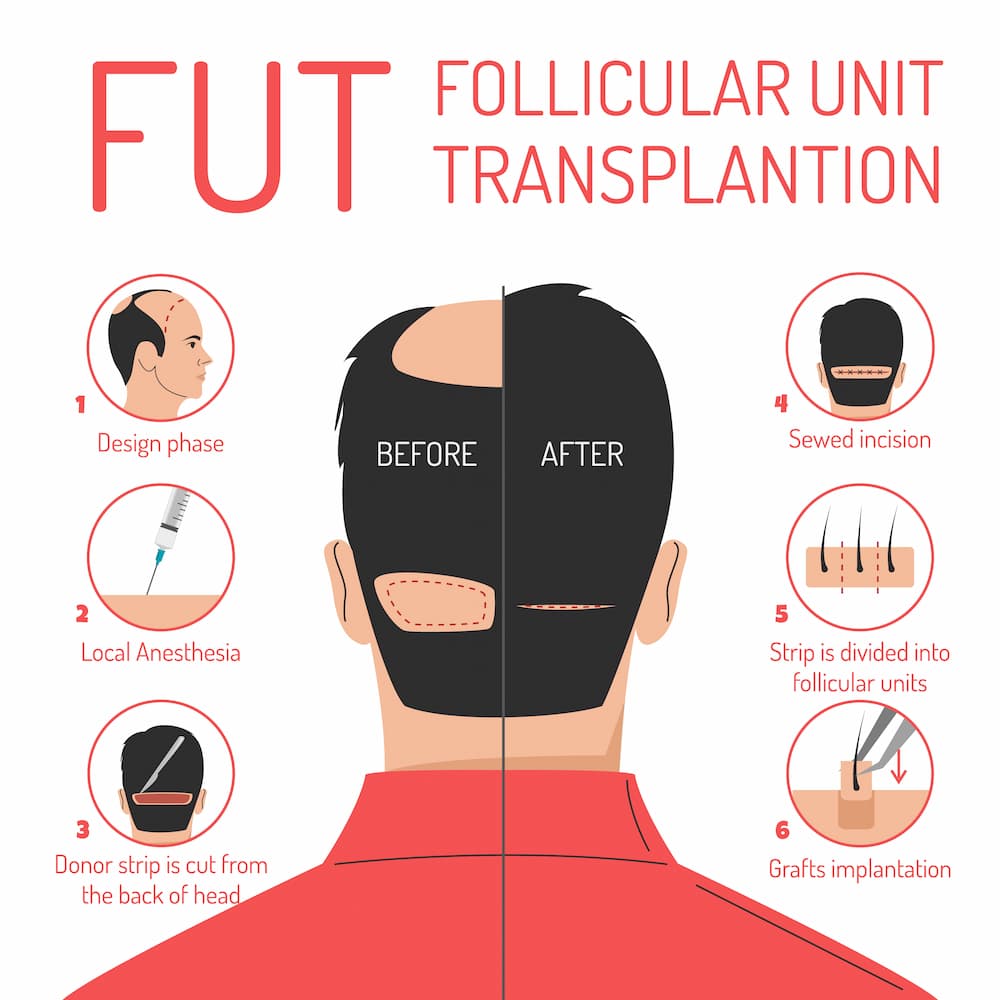
Follicular Unit Transplantation (FUT), also known as strip harvesting, involves removing a narrow strip of scalp from the donor area. This strip is then dissected under microscopes into individual follicular units for transplantation. The donor area is closed with sutures, leaving a linear scar that’s typically hidden by surrounding hair.
One of the key benefits of FUT is that it doesn’t require shaving the entire donor area—only the strip location needs to be extracted. This strip harvesting method also enables surgeons to collect a higher number of grafts in one session, making it the ideal choice for patients needing extensive coverage or preferring to complete their restoration in fewer appointments. Dr. Moleno’s meticulous closure techniques minimize scarring, and advanced trichophytic closure methods allow hair to grow through the scar line, further reducing visibility.
Key Differences of FUE vs. FUT Hair Transplants
Several important factors distinguish FUE vs. FUT hair transplant approaches:
Harvesting Method: FUE extracts individual follicles, while FUT removes a strip of scalp tissue containing multiple follicular units.
Scarring: FUE leaves tiny dot-shaped scars versus a linear scar from FUT. Both are typically concealed by hair, but FUE allows for shorter hairstyles.
Procedure Time: FUE generally requires longer procedure times due to individual extraction. FUT can be completed more quickly, allowing for shorter sessions.
Graft Yield: FUT often provides higher graft numbers in a single session, making it efficient for extensive hair loss. FUE may require multiple sessions for similar coverage.
Recovery Experience: FUE typically involves less post-procedure discomfort, while FUT may cause temporary tightness around the donor area during healing.
Cost Considerations: FUE procedures generally cost more due to the time-intensive nature of individual extraction. FUT offers a more cost-effective option for maximum graft numbers.
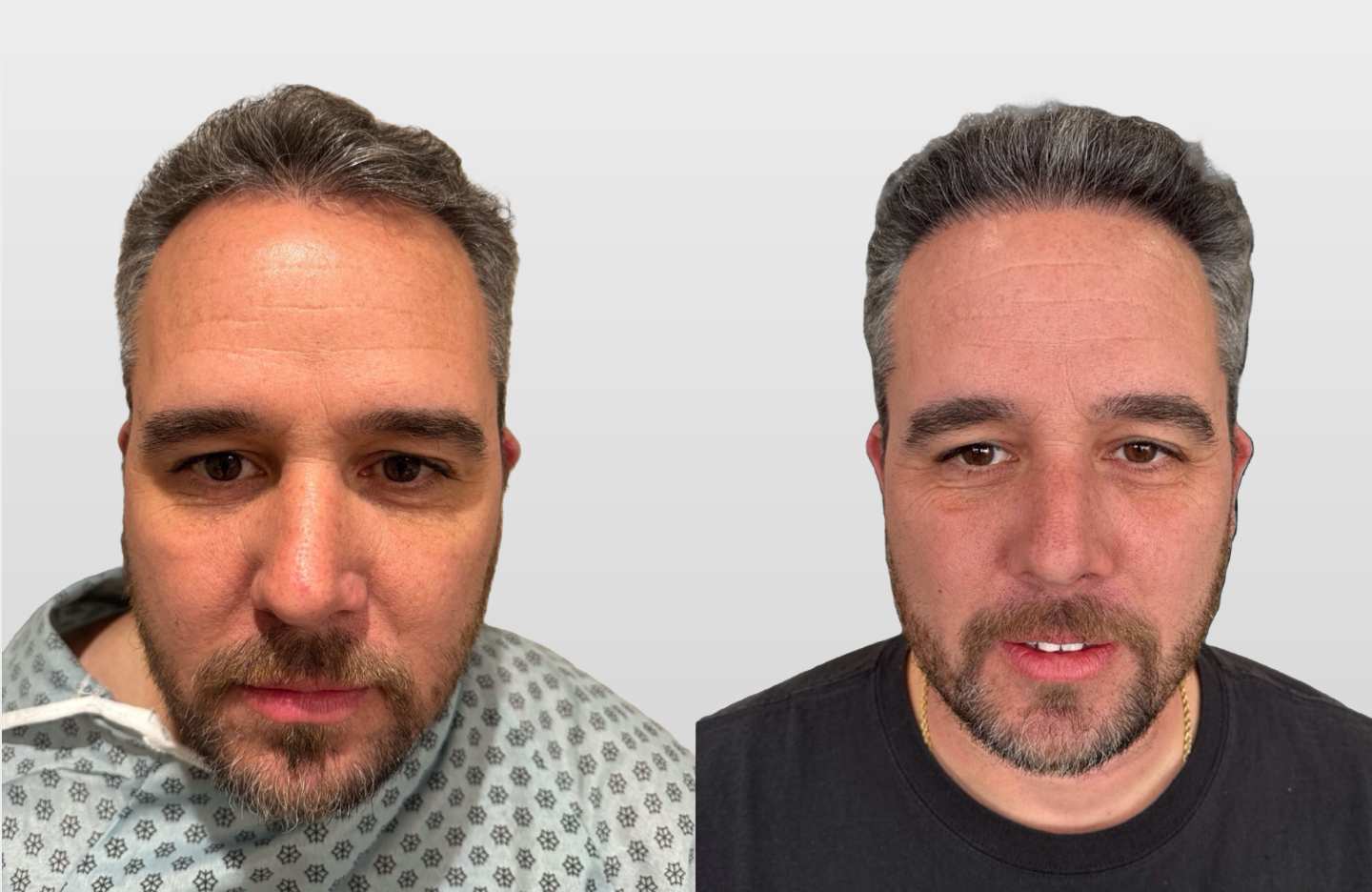
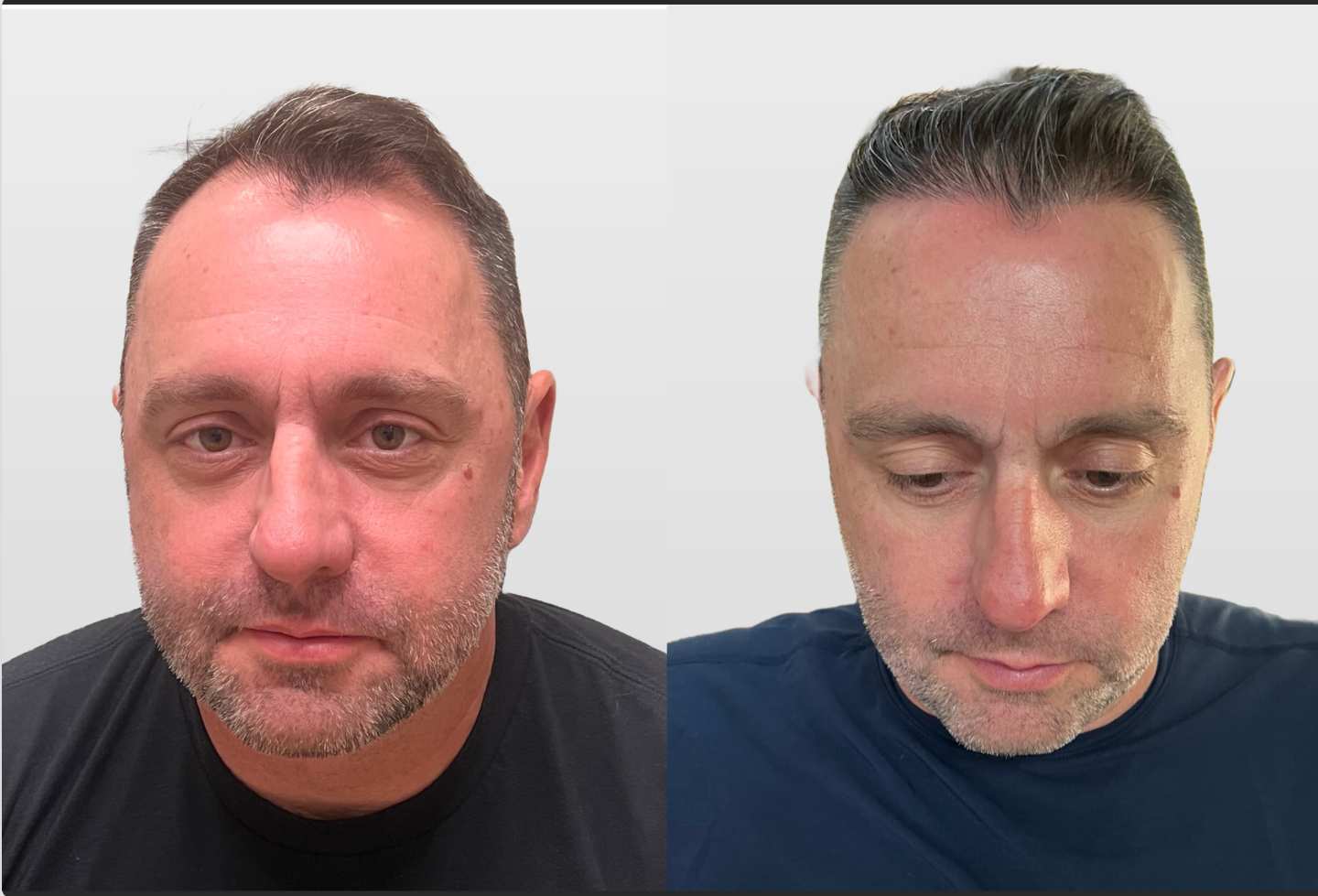
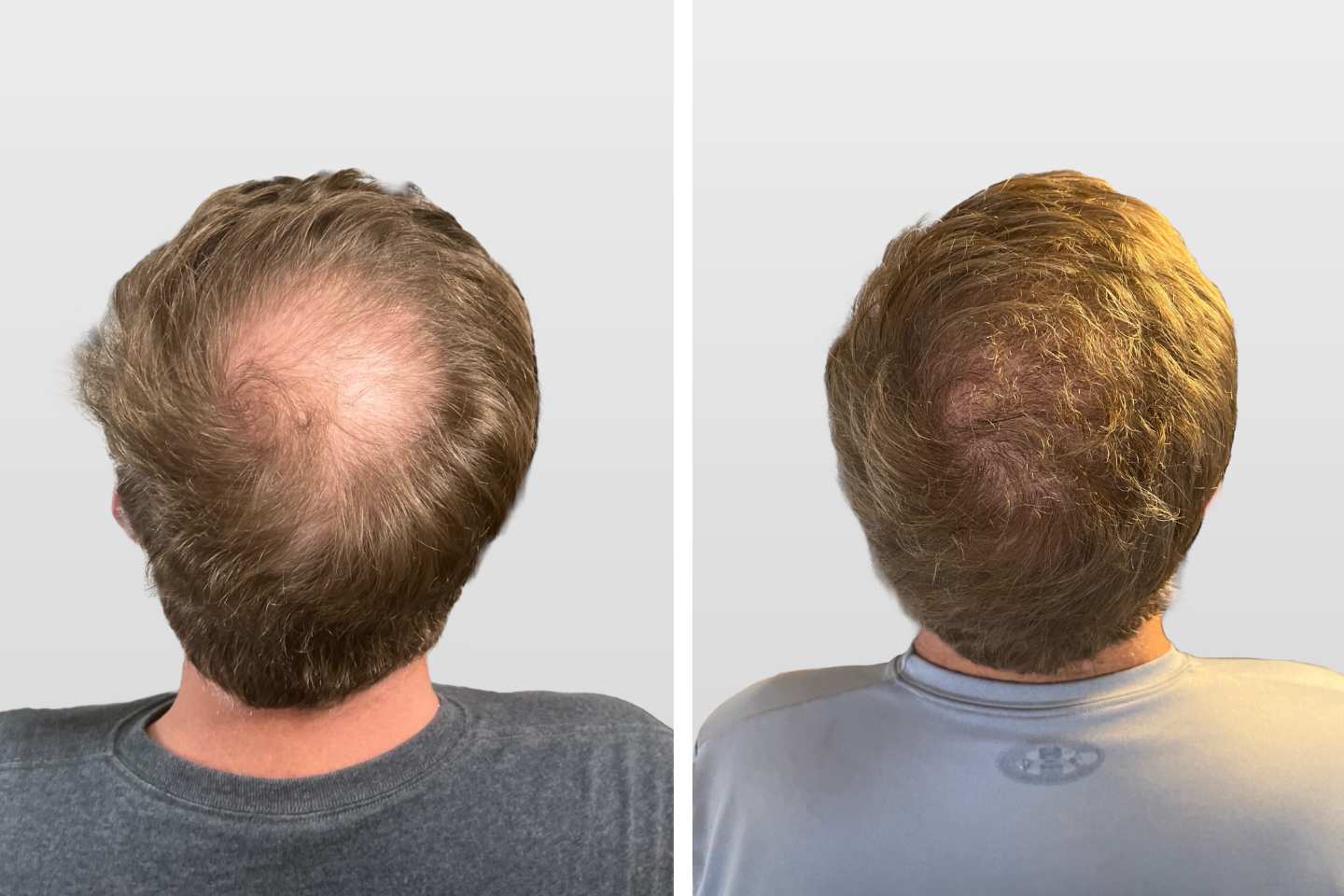
Advantages & Considerations of FUE vs. FUT Hair Transplants
FUE Hair Transplant Advantages:
- Minimal visible scarring
- Shorter hairstyle options
- Less post-procedure discomfort
- Faster initial recovery
- Compatible with beard and eyebrow transplants
FUE Hair Transplant Considerations:
- Higher cost per graft
- Longer procedure time
- May require shaving the donor area
- Limited grafts per session compared to FUT
- Multiple sessions may be needed for extensive coverage
FUT Hair Transplant Advantages:
- Maximum graft yield in a single session
- More cost-effective for extensive restoration
- No donor area shaving required
- Efficient for addressing significant hair loss
- Excellent for patients with good scalp laxity
FUT Hair Transplant Considerations:
- Linear scar in the donor area
- Slightly longer recovery period
- Temporary tightness during healing
- Requires suture removal
- Less suitable for very short hairstyles
Which Hair Transplant Option Is Right for You?
Choosing between FUE vs. FUT hair transplant methods depends on multiple personal factors.
Consider FUE if you:
- Prefer to wear very short hairstyles
- Want to avoid a linear scar
- Have a smaller treatment area
- Can accommodate multiple sessions if needed
Consider FUT if you:
- Need extensive hair restoration in fewer sessions
- Wear longer hairstyles that will conceal a linear scar
- Want the most cost-effective option for maximum coverage
- Have good scalp laxity
Some patients benefit from combining both techniques across different sessions, leveraging the advantages of each method. Dr. Moleno provides customized treatment plans that optimize results. The decision between an FUE vs. FUT hair transplant isn’t just about technique—it’s about aligning the procedure with your lifestyle, aesthetic goals, and expectations.
Frequently Asked Questions
What is the main difference between FUE and FUT hair transplant?
The primary difference lies in the harvesting technique. FUE extracts individual follicles one by one, leaving tiny scattered scars, while FUT removes a strip of scalp tissue, leaving a linear scar. Both methods transplant the harvested follicles to restoration areas with similar placement techniques.
Which method is more affordable, FUE or FUT?
FUT generally costs less per graft because it’s more time-efficient and can harvest more follicles in a single session. The individual extraction process of FUE requires more time and specialized equipment, resulting in higher per-graft costs. However, the total cost depends on the number of grafts needed for your specific restoration goals.
Does FUE or FUT provide better long-term results?
Both methods provide excellent long-term results when performed by skilled surgeons. Success depends more on surgeon expertise, proper graft handling, and artistic design than on the harvesting method itself. Studies show comparable results with either technique when executed properly.
Which option has a shorter recovery time?
FUE typically offers faster initial recovery with less discomfort, as it doesn’t involve sutures or a linear incision. Most FUE patients return to work within 2-3 days. FUT recovery takes slightly longer due to the strip incision, with most patients resuming normal activities within 5-7 days. Complete healing occurs within 2-3 weeks for both methods.
Can FUE and FUT be combined for better results?
Yes, many patients benefit from combining both techniques across multiple procedures. For example, FUT might be used for initial extensive restoration to maximize grafts, while FUE can address specific areas or provide additional density in subsequent sessions. This hybrid approach leverages the advantages of both methods for optimal outcomes.
Understand FUE vs. FUT Hair Transplant Options at Moleno Hair Restoration
Whether you choose the minimal scarring approach of FUE or the efficient graft harvesting of FUT, the most important factor is selecting a qualified surgeon who prioritizes natural aesthetics and patient satisfaction. Your hair restoration journey begins with understanding your options and partnering with a specialist who can deliver the results you envision. Take the first step toward renewed confidence and schedule your free consultation at Moleno Hair Restoration in Dallas, Texas.